
I find it is easy to loose sight of the whole when you’re deep into the details. On a personal level the last few months (herniated disc, could not walk for 3 months, had to stop doing so many things…) have been an unparalleled lesson in how to look up and observe “the whole”. Front and center for me has been my own body; easy to treat it as a conglomerate of individual parts, I’m learning it is all connected from my mind to my heart and to my toes.
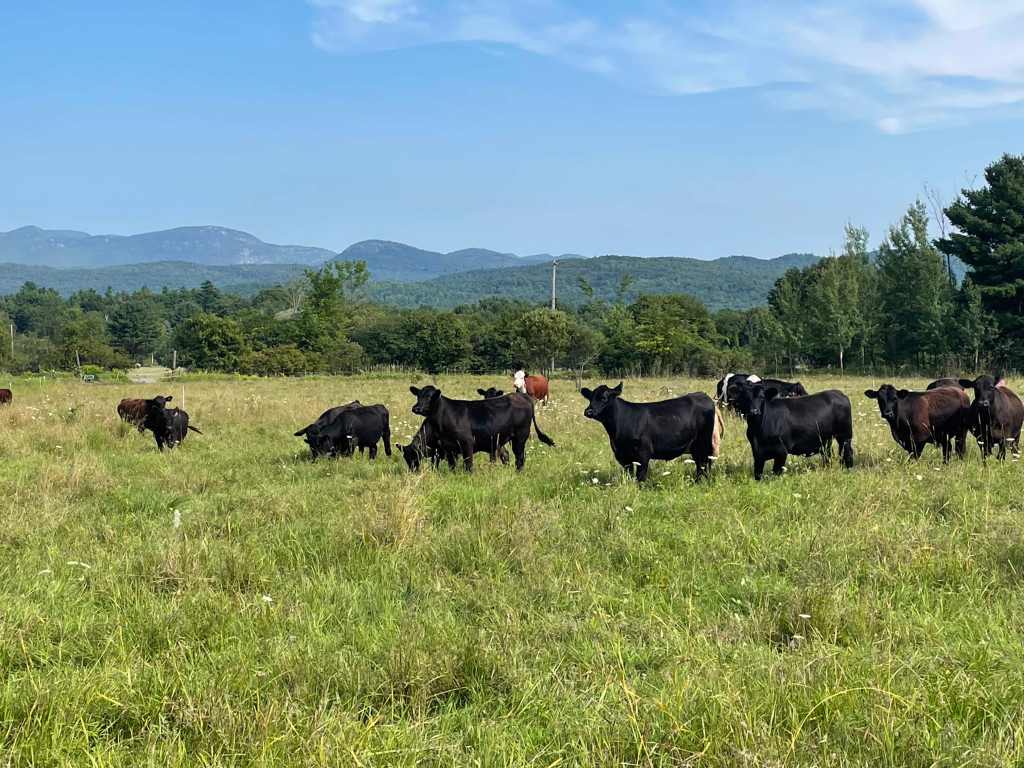
On the farm we try our best to put those same glasses and see the whole. We raise chickens on pasture for the health of the chickens, quality of the meat AND fertility to our land and farm ecosystem. Our chickens are Certified Organic because it matters to us not just how we treat our animals on our farm but how the ecosystem was treated to produce the other inputs we need to raise our chickens and our pigs: namely grain! We graze our 100% grass fed cattle for similar reasons: healthy meat, healthy animals, best tasting beef AND constantly improving our pastures and farm diversity.
If we take this perspective one step further we arrive at another important whole: the whole of an animal we eat. Each animal is a whole, and no matter how hard you try the parts can never truly represent the whole…but here at Reber Rock Farm we give it our best shot.
There are a couple different clever phrases that folks have come up with over the years to refer to eating the whole animal, my favorite is eating an animal “nose to tail.” Nature, of course, has figured this out and most hunter gatherer cultures have figured out uses for just about every part of the hunted animal.
Most of us no longer hunt for our food, and I feel it is our responsibility as your farmers to make use of as much of our animals as possible. This is why we offer some value added products like our ground chicken frames, chicken bone broth, we also offer all parts of our animals like beef bones, chicken livers, or smoked pork ham hocks. We also hope to continue to add to this collection with products like pork lard, beef bone broth, chicken liver pate and more.
Then there is also the rate at which we consume the various parts of the animal. It sounds obvious to say when we process one chicken we get two breasts, two thighs, two tenders, two drumsticks, two wings, two drummets, two chicken feet, one liver (about 2 oz), one heart and the chicken back and frame (about 1 lb). Then the question becomes, for every two chicken breasts we eat what happens to the rest of the chicken? We will raise just over 3500 chickens this season so if some things sell faster than others we can end up with a scarcity of some things and an excess of another.
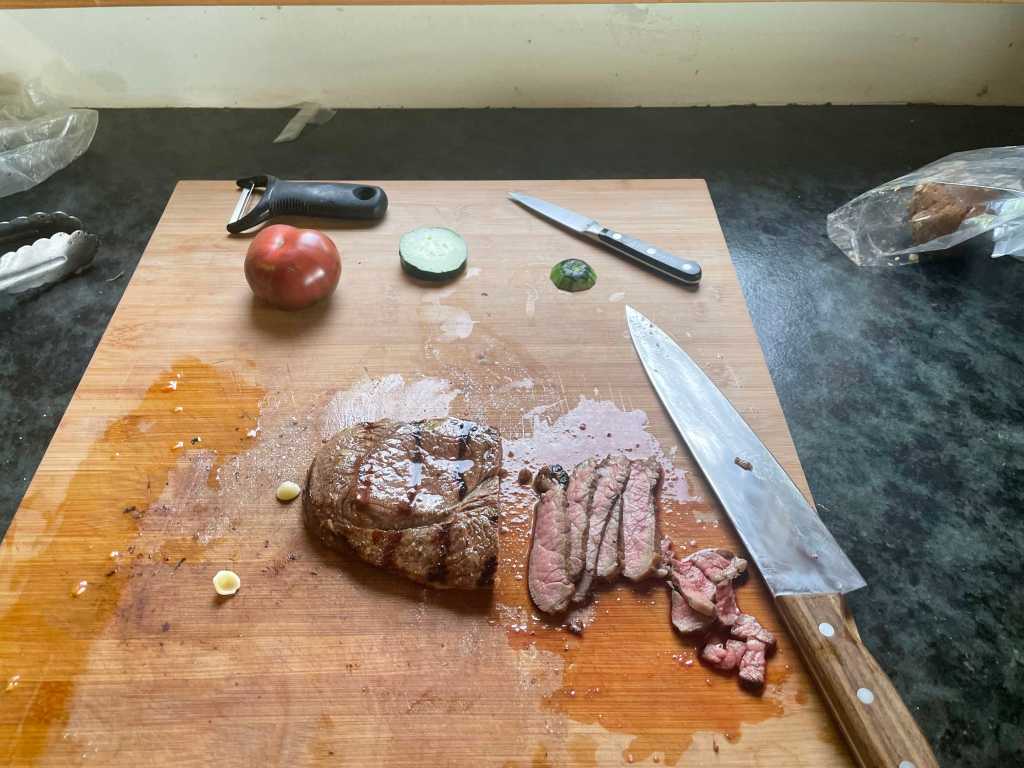
There are some cuts that sell them selves, and it is my hope over the next few weeks to tell you about some of the lesser known, or less popular cuts to help us eat the whole animal. This week I will highlight a few beef cuts that I have put together in a new Box called the Beef Bargain Box.
The box has a few lesser known steaks like the Shoulder Steak, Sirloin Tip Steak or Top Round Steak or Minute Steak. These are all lean steaks with tons of flavor. I would say they are some of the favorite steaks in our house. The key is to not over cook them since they have less fat and are prone to dry out. We prepare these steaks a few different ways in our house, here are a few recipe ideas:
Sliced steak – As pictured above, they key to this preparation is that the steak is cut after it is cooked, as to not over cook the slices. First, cut open the steak package, and add your favorite marinade a few hours before the meal. For fajitas you could use olive oil, red wine vinegar, salt, cumin, marjoram and a dash of cayenne. Or for an asian flavor try peanut and sesame oil, rice vinegar, soy sauce and some ginger. The grill is especially well suited for cooking a marinaded steak since it will let the juices drip while searing the meat. Cook to rare or medium rare (use a meat thermometer if you’re unsure how to measure doneness), let rest for 5 minutes then slice thinly to serve.
Pro tip – if you look closely at any cut of meat you can determine the direction of the muscle fibers, also called the “grain” of the meat (just like wood). These fibers are what our teeth are designed to break up, but some of us prefer a softer mouth feel, so when slicing a cut of meat, we say to cut “across the grain” thus shortening these fibers and making them easier to chew and effectively making the cut seem more tender.
Give these cuts a try and help us eat the whole animal!
Local customers! We have heard some feedback from customers who would love to see us open up the farm store again instead of just having curbside pickup. We would love to hear your thoughts on this, I’ve put a Survey to reopen the farm store up on Facebook so let us know there or you can email me directly with your thoughts.
 Reber Rock Farm Blog